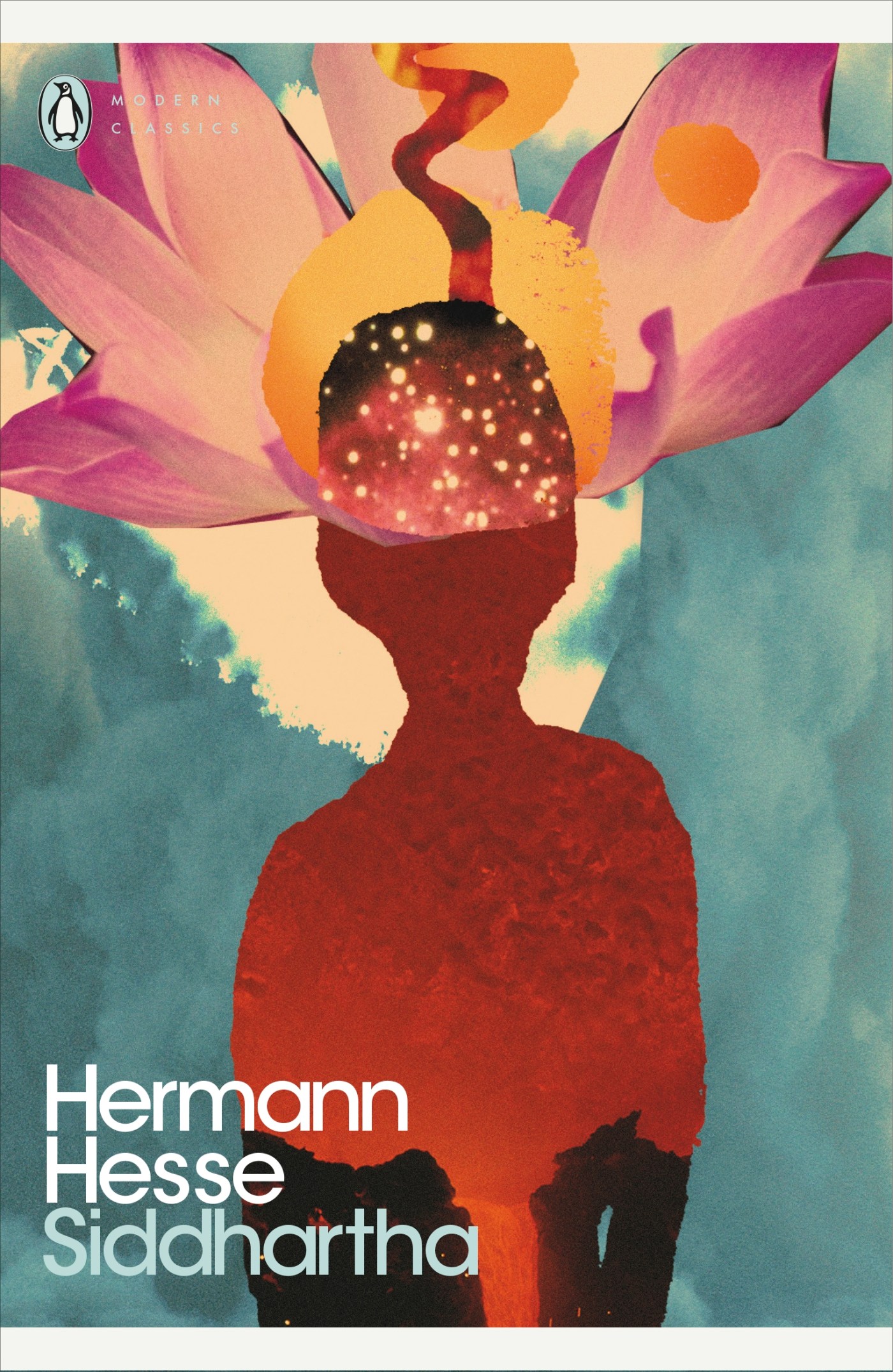
I read Siddhartha when I was a teenager, having found a copy in my mother’s bookshelf. We had just read Beneath the Wheel in class and had felt Herman Hesse could perhaps be a friend – like Jane Austen or the Bronte Sisters. But Siddhartha went completely over my head and I haven’t picked up any of his titles since. Even when my sister gave me her copy of Steppenwolf, it swiftly went into my “does not spark joy,” pile. (sorry dear.)
My second attempt finds marginal success to boast about. However, and more importantly, it renewed my appreciation of the author. I also enjoyed the forward by Paulo Coelho in the Penguin edition, for at once I realized that The Alchemist (another book I didn’t grasp) and Siddhartha were connected in this quest for Knowledge by trial. That was probably the biggest insight…
One source of confusion is the name; the Siddhartha in the novel shares time, space, and name, with Buddha – who, before receiving Enlightenment, was known as Siddhartha Gautama (or Gotama). The two Siddhartha’s also lead remarkably similar lives – born into the Brahman caste, both leave their father’s home to live as a stoic, then leave their teachers to experience vice and temptation for themselves.
As I read, the 17year-old screams – Who is this Siddhartha, is he not the Buddha, yet he meets the actual Buddha. Why are adults so confusing!?
It seems the decades have not been spent in vain. I believe now, the similarities were precisely the point. Siddhartha the ferryman is the same as Siddhartha the Buddha. One teaches through action, and the other through sacred words – yet both saintly, accepting, and loving. It is the message of the River with a thousand voices, simply: that we are transient, we are One.
Transient – we know this inherent property so well now, having been profoundly humbled by a seemingly insignificant microscopic organism. Yet I find it difficult to understand the next concept that we are part of One. Much like his childhood friend, Govinda, who encounters Siddhartha at various stages of his life, I fail to recognize this ‘sameness,’ still too quick to acknowledge difference.
I will have to revisit in another few decades. Or tomorrow. Forgetting already that time is irrelevant.
“Siddhartha does nothing he waits, he thinks, he fasts, but he goes through the affairs of the world like the stone through water, without doing anything, without bestirring himself; he is drawn and lets himself fall. He is drawn by his goal, for he does not allow anything to enter his mind which opposes his goal. That is what Siddhartha learned from the Samanas. It is what fools call magic, and what they think is caused by demons. Nothing is caused by demons; there are no demons. Everyone can perform magic, everyone can reach his goal if he can think wait, and fast.”
“There was the blind love of a mother for her child, the blind foolish pride of a fond father for his only son, the blind eager strivings of a young vain woman for ornament and the admiration of men. All these little simple, foolish, but tremendously strong, vital, passionate urges and desires no longer seemed trivial to Siddhartha. For their sake he saw people live and do great things, travel, conduct wars, suffer and endure immensely, and he loved them for it. He saw life, vitality, the indestructible and Brahman in all their desires and needs. These people were worthy of love and admiration in their blind loyalty, in their blind strength and tenacity. With the exception of one small thing, one tiny little thing, they lacked nothing that the sage and thinker had, and that was the consciousness of the unity of all life.”
 JohannaAirth