A highly researched essay on how Greek myths morphed over time to further a cultural suppression of women. Each chapter is devoted to an (in)famous female protagonist: her storyline, how it was perceived originally, and how it changed or was even erased, over time.
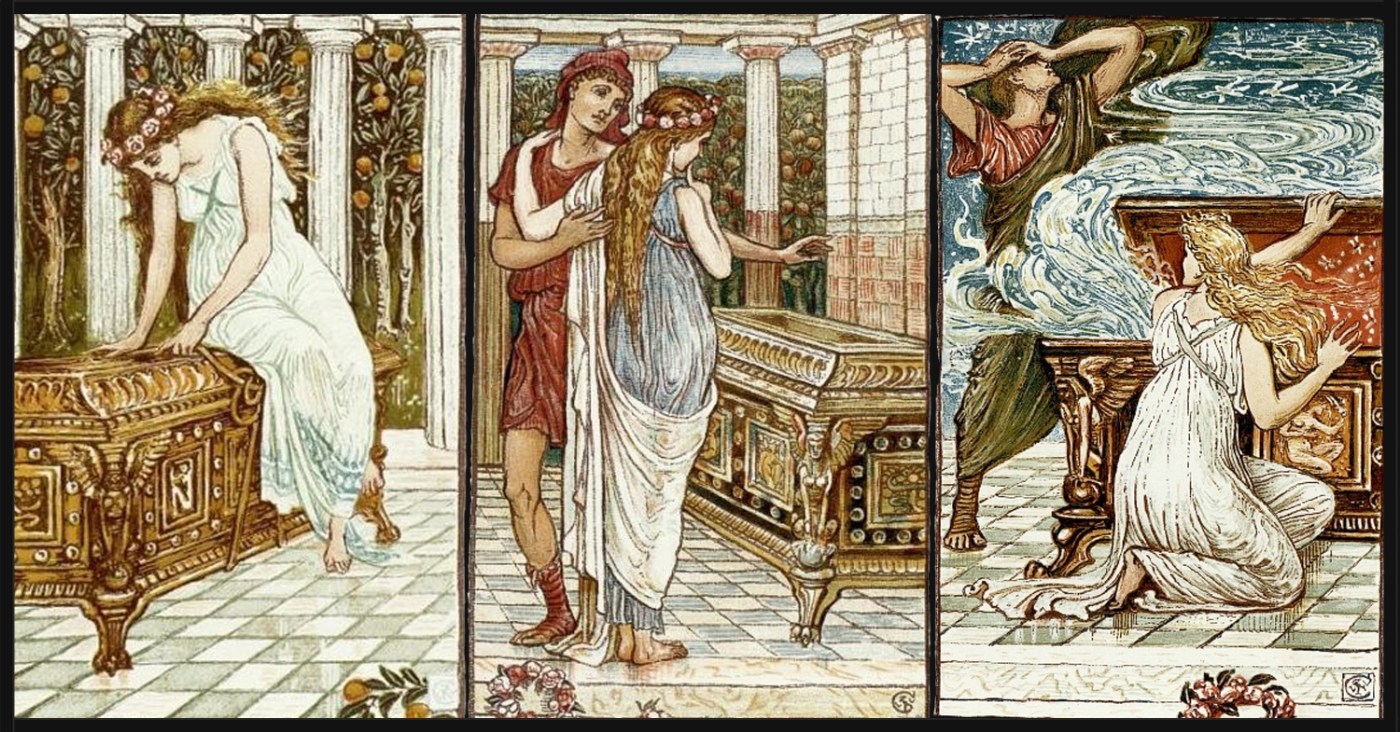
Take Pandora: the unwitting vessel of Zeus’s revenge. Pandora is singlehandedly blamed for all evils and despair of the world. We often neglect to remember, it was almighty Zeus who gave her a jar containing all evil and told her, ‘don’t open it (wink wink)’. All this, just to spite another god, yet we can never forgive the maiden for her curiosity. Does the story line sound familiar? Think: Eve and our eviction from Paradise.
The woman I have always pitied however, is Medusa. The beauty is seduced by Poseidon (in Greek mythology the verbs ‘seduce’ and ‘rape’ are thought to be synonymous) in Athena’s temple. The goddess is furious at this desecration and punishes Medusa – turning her into a monster with a head full of snakes and gaze that turns men into stone. Haynes turns it around; here is a woman warrior, standing upon a headless, beautifully muscular male body. The severed head is raised high, as if some prize. The imagery is chilling, haunting, but this is Perseus and Medusa in reverse. The legend, a man beheading a female ‘monster’, is hailed noble and just.
Most interestingly, Haynes includes modern day pop culture references to the Greek myths. In their Hollywood interpretations, goddesses and witches who gave rise to famous heroes are stripped of their power; the male leads need little help, and none from a woman. Or did you know that the Amazons (mythical female warriors) fought alongside the Trojans in the war against Greeks? Their leader Penthesilea is ferocious and was cut down only by THE Achilles. (I must have been distracted by Brad Pitt to have missed that scene in Troy.) We had to wait a few more decades for Gal Gadot to come along with her own story
Getting to the heart of the essays is Beyonce. In her music video, Beyonce emerges from a building that resembles a Greek temple. She struts down the street in a flowy gown before she is handed a baseball bat. “Is it better to be jealous or to be crazy,” she asks. Then she takes a swing at anything in her way. Goddess as she is, she suffers the same judgement. What I learned from this book is this: the question of a woman being “jealous or crazy” has been asked since the creation of myth. And the question itself is a fabricated tale. Women are not jealous or crazy. Women are strength and love, and everything in between – just like men. But our storyline has been edited deliberately to give rise to the legend of Man. And it will take a long time to undo it.
So: do we take a bat and swing – destroy all parts of culture past? Or like Beyonce, and Haynes, do we create and nurture our story? After all, isn’t that what women are thought to do best?
“When women take-up space, there is less available for me. But it means we get a whole story instead of half of one.”
 JohannaAirth
Leave a comment